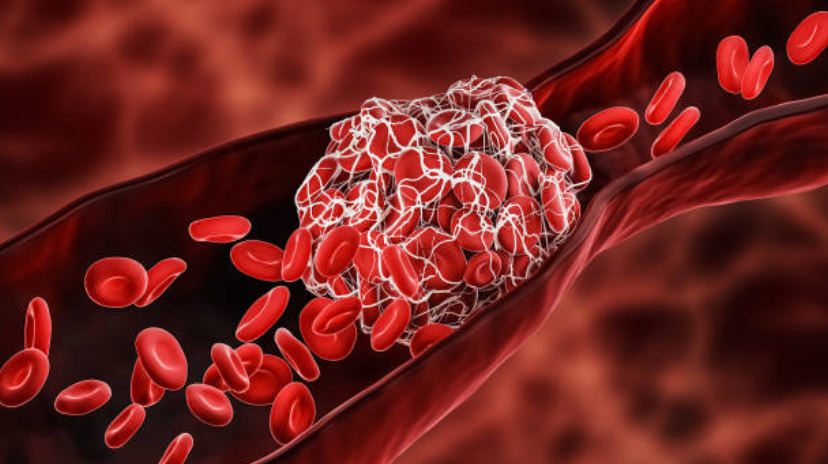
Heparin-induced thrombocytopenia (HIT) is a serious immune reaction to the blood thinner heparin. This immune reaction triggers the body to form dangerous blood clots. Heparin is a commonly used blood thinner, routinely administered to patients before surgery – about 1-3% of the 12M patients in the US that use heparin develop HIT with a high mortality rate of 30% and morbidities including major bleeding, amputation and new thrombosis.
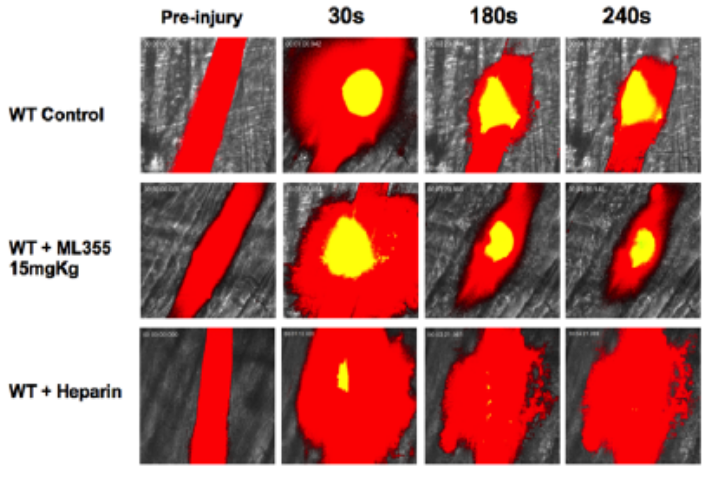
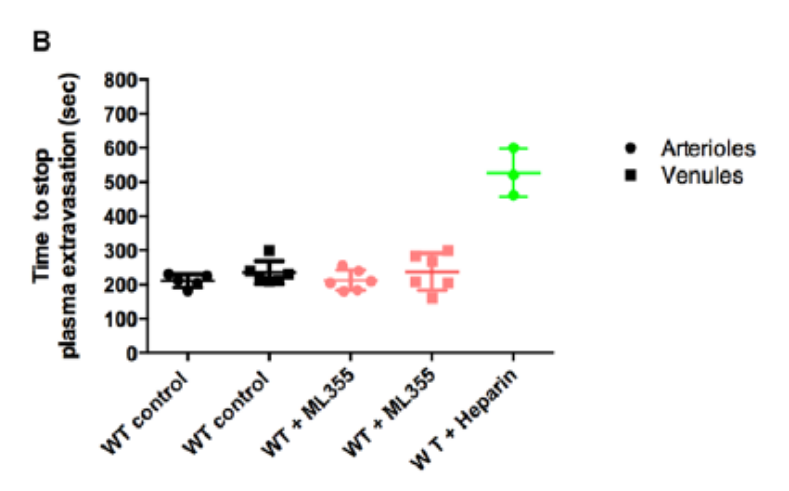
12-Lipoxygenase (12LOX) is expressed in platelets and regulates FcγRIIa receptor signaling. In HIT, immune complexes activate platelets via FcγRIIa and 12LOX acts as a critical downstream amplifier of this hyperreactive, procoagulant and thrombotic state. Targeting 12LOX suppresses FcγRIIa mediated platelet activation, reducing thrombosis without bleeding complications